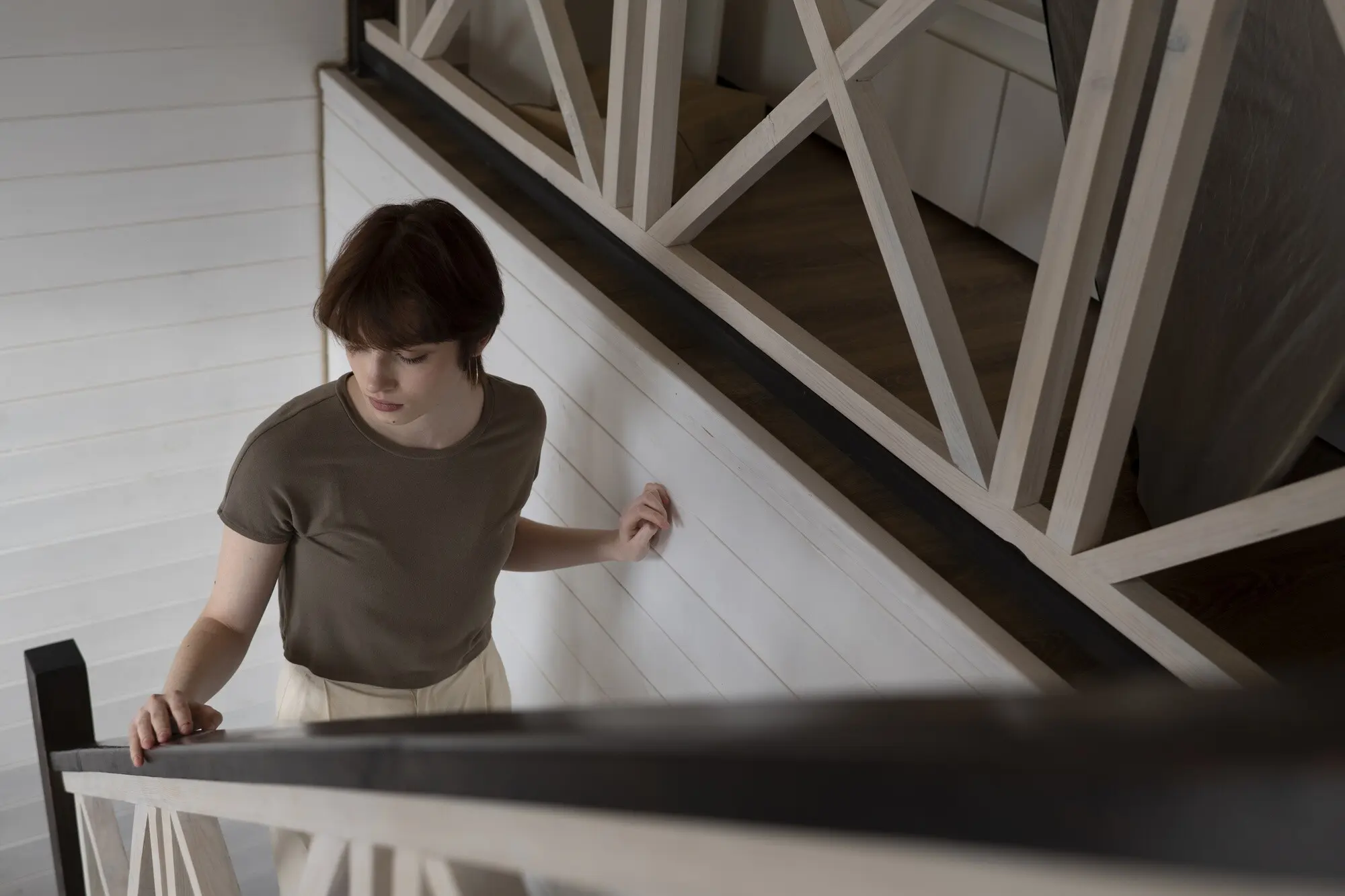


Absorption that doubles as decor
Choose wool felt wall hangings, thick cotton curtains, and plush thrifted rugs to convert echoes into warmth. Position fabric behind and beside you, near first reflection points, and notice the immediate hush as reverberation time drops and breath sounds kinder.
Barriers and seals you barely see
Add weatherstripping, a door sweep, and a heavy, repurposed bookcase against a shared wall to increase mass and block leaks. Even an artful quilt over a thin door lifts perceived privacy, reducing distraction before practice fully begins.

Active and adaptive quiet when life gets loud
Pair a compact white-noise machine with an app-based equalizer to tune masking carefully below speech intelligibility. For short sessions, noise-cancelling headphones plus a soft soundtrack work beautifully, while remaining optional to keep awareness open to household rhythms.